
Push marketing doesn’t work for sustainable fashion. What about pull marketing? It could work with the proper groundwork. The challenge is in laying that groundwork.
The fashion industry has been running up some fairly staggering pollution statistics which has put it firmly on the environmental radar. As a result, sustainable fashion and eco-fashion have been getting a lot of attention. There have been some modest efforts to address the issue. However, they run into some very basic and sticky obstacles.
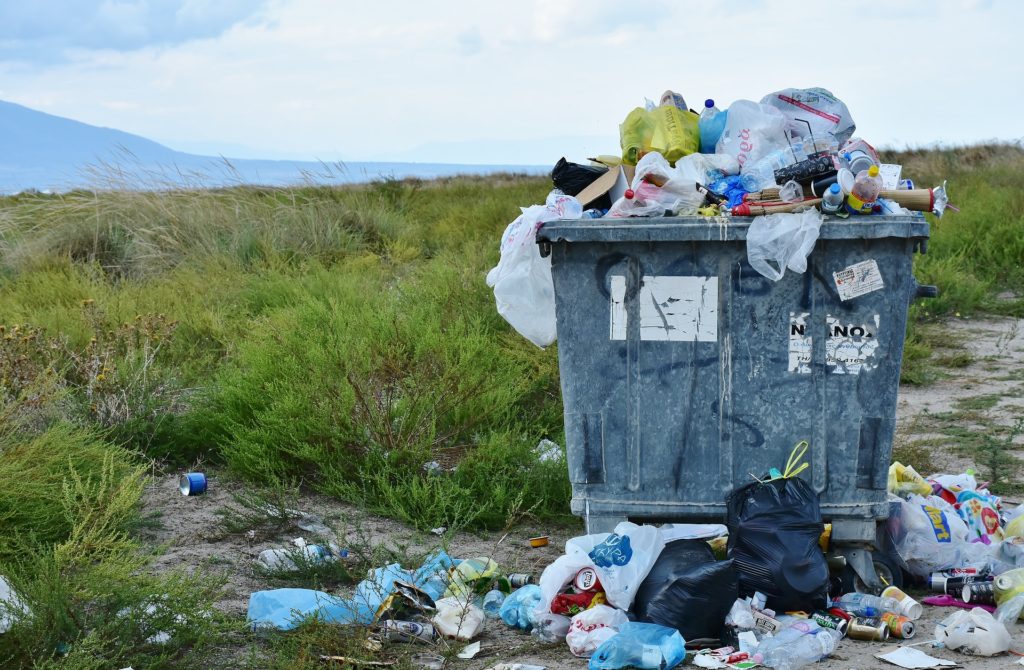
The first obstacle is economics. Redesigning, retooling, and establishing new supply chains are expensive. Fashion companies will only take this route if a large enough share of the market demands it. That is not yet the case and there are several key reasons why it hasn’t.
A major inhibiting factor continues to be actual consumer behavior. Consumer action is inconsistent with how they respond to surveys. To use a tired cliché, consumers are not walking the talk.
Recent research by LIM College indicates millennials purchase clothing based on price and convenience, not sustainability – although when surveyed they claim to put a high importance on sustainability and eco-friendliness.
According to a Journal of Consumer Research study, consumers conveniently forget ethical information when making purchases. Who wants to think about bad things especially when buying clothing that has an in-fashion shelf life measured in weeks?
So how do you overcome these obstacles and lay the groundwork for successful pull marketing strategies? It starts with consumer awareness – continual outreach to alert and educate customers on fashion’s negative environmental impact and what consumers can do to improve the situation.
But who is going to do this outreach? Can we really expect fashion industry itself to do it? They are in the business of selling products and making money. Will they ever have the economic incentive to conduct the amount of outreach necessary to bring consumers to the point where they demand sustainable fashion? That’s debatable.
What about governments? Government solutions, though well-meaning, are not crafted by people with appropriate knowledge of the fashion business, let alone business as a whole. Governmental solutions tend to produce undesirable unintended consequences.
The most effective outreach will come from organizations dedicated to this goal. These include Sustainable Apparel Coalition, Center for Sustainable Fashion, Clean Clothes Campaign, Fair Wear Foundation, and Global Organic Textile Standards (GOTS) among others. Persistent and pervasive outreach and education should be the goal.
And how about doing some pull marketing in parallel? This is something that the fashion industry can do – and will have to do, once consumer environmental awareness hits critical mass. I believe the path to sustainable fashion will be a long and winding road that may not hit critical mass until enough outreach and educational groundwork has been laid. This is not going to be a quick, overnight process. But persistence will pay off and the reward will be a cleaner fashion industry and a cleaner planet.

© 2019 David Biagini All rights reserved