I’d like you to meet Angela. Angela thought it would never happen to her. She never thought she would ever be homeless – never in a million years. But it did happen to her. She went from a good accounting job to sleeping in cardboard boxes along Penitencia Creek.

She and her faithful dog, Sonny, shivered in the rain and cold and searched for cooling shade from the relentless summer sun. She begged for food and when that didn’t work she scrounged through trash bins for something to eat.
Yes, she was offered shelter by many different agencies. But it was always the same story: we can take you but we can’t take your pet. What? If you’ve ever had a pet you know they become part of your family. In this case, Sonny was the only family she had. Would you give up part of your family? No, I wouldn’t either.
So, Angela and Sonny continued to live on the streets as their health and spirits declined. Until someone from Fresh Start Community Services saw her climbing into a trash dumpster and offered to take her to their shelter. Angela broke into tears when she was told she could keep Sonny with her.
Angela not only received shelter, but she also received medical care, nutritious meals and most importantly job training and placement services. She now has another good accounting job, her own apartment, and hope for the future. Oh, and she still has Sonny.
What does this story have to do with fundraising? It demonstrates the power of storytelling. People make decisions for emotional reasons. Stories are a very effective way to create a deep, emotional connection with people. Much of this is due to the “identifiable victim effect”.
The accepted definition of the “identifiable victim effect” is the one put forth by Karen Jenni and George Loewenstein in the Journal of Risk and Uncertainty, which states “The ‘identifiable victim effect’ refers to the tendency of individuals to offer greater aid when a specific, identifiable person (“victim”) is observed under hardship, as compared to a large, vaguely defined group with the same need”.
A study by the University of Pennsylvania showed that focusing on a single tangible victim leads to more donations than by focusing on groups or statistics. Potential donors are more likely to give when they can envision the impact their donation will make. It is easier for them to envision that impact when they are told the story of one person. The strong emotional impact that leads to the donation also helps create a champion for the organization, one who continues to donate money and time.
Storytelling isn’t just a “soft” marketing tool. There are proven, tangible examples that show its positive financial impact. The Significant Objects Project spent $128.74 on garage sale items costing no more than $1.50 each. They created personal stories for each item and were able to resell the items for $3,612.51. After years of patient satisfaction scores in the 35th percentile, Lakeland Medical Group saw their scores rise to the 95th percentile after releasing 6,000 stories in 90 days.
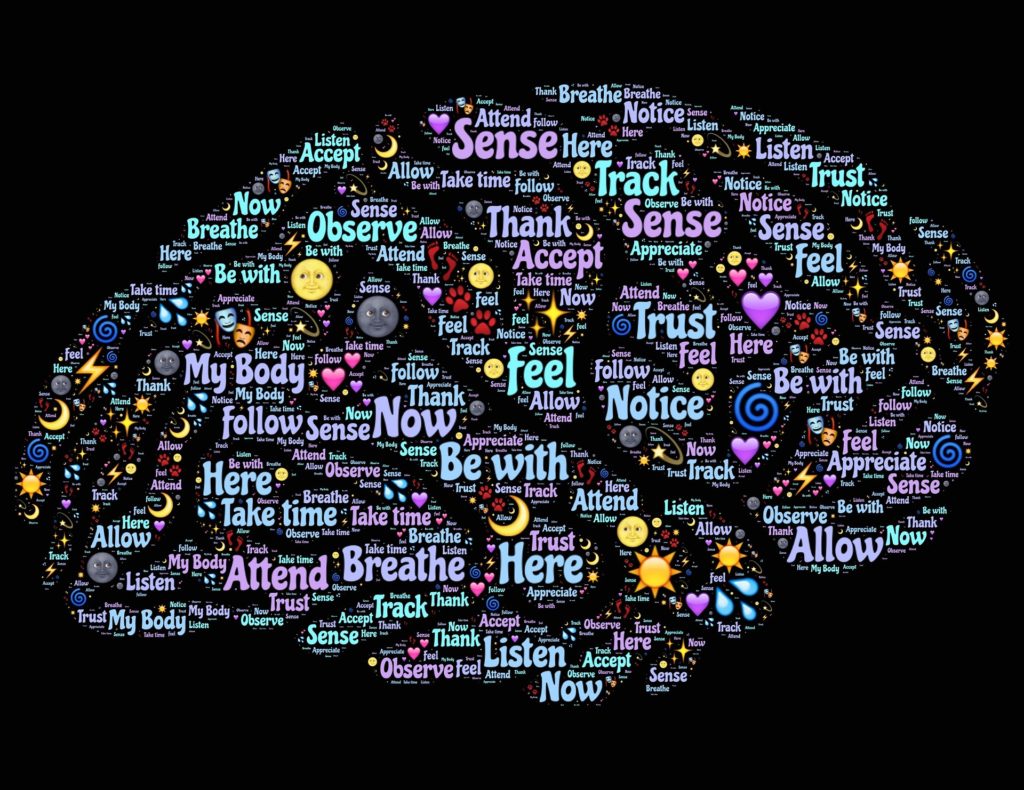
In addition, there are actual, scientific, neurological reasons behind storytelling’s effectiveness. Storytelling activates “neural coupling” which makes people convert a story’s ideas into his or her own ideas and experiences. This makes storytelling more personal and reliable. A mirroring pattern is also created in the brain that allows a person to experience similar brain activity as other people who have read the story, and that of the storyteller. This builds team understanding and motivation.
Emotional stories cause the brain to release a chemical called “dopamine”. Dopamine helps stimulate memory and helps people accurately remember the story and remember it for a longer period of time. A neurochemical called “oxytocin” is released when we feel safe and are shown kindness. Oxytocin motivates cooperation and a willingness to work with others.
This all good stuff. But what makes a good story? Good question. First, they must be authentic. Then a good story follows traditional dramatic and marketing principles:
- Compelling character
- Dramatic arc
- Offers a solution
- Supply data to logically justify the solution
And don’t forget the call to action. Performance metrics should also be used with storytelling to evaluate its success and ROI.
There are compelling reasons to use storytelling in fundraising. I continue to encounter nonprofits that fail to take advantage of this. If your organization has stories to tell, tell them!
© 2019 David Biagini, All rights reserved.